These Are the Designer Clothes People Are Choosing This Season
Outline:
– Seasonal runway-to-street trends and color stories
– Key luxury clothing styles and silhouettes resonating now
– Fabric innovations and craftsmanship shaping choices
– Practical styling ideas for work, weekend, and evening
– Everyday designer outfit inspiration and capsule building
Seasonal Signals: How Trends Translate from Runway to Real Life
The style story this season blends polish with pragmatism. Tailored shapes appear softened, colors are grounded yet lively, and textures do more of the talking than overt logos. Think relaxed suits with fluid drape, long-line coats that frame the body, and dresses engineered for movement rather than spectacle. Industry trackers note steady demand for versatile outerwear and refined knitwear, as many shoppers aim for pieces that look composed on a video call and still feel right for late-night plans. Color-wise, mineral shades—slate, clay, and moss—coexist with flashes of citron and coral, offering balance between quiet and spirited.
Lengths lean longer: puddle-hem trousers and column skirts suggest ease, while sharp pleats and knife-edge creases preserve structure. Utility continues with subtly placed cargo pockets and adjustable tabs, but proportions are neater than in previous cycles. Expect ribbed knits with sculpted necklines, cropped but boxy jackets, and shirts cut with slightly dropped shoulders for comfort. Accessories mirror the clothing mood—sleek belts, pared-back jewelry, and textured leather add interest without shouting. Retail analysts cite higher sell-through on tailored separates with soft handles, hinting that comfort-first sophistication is the season’s north star.
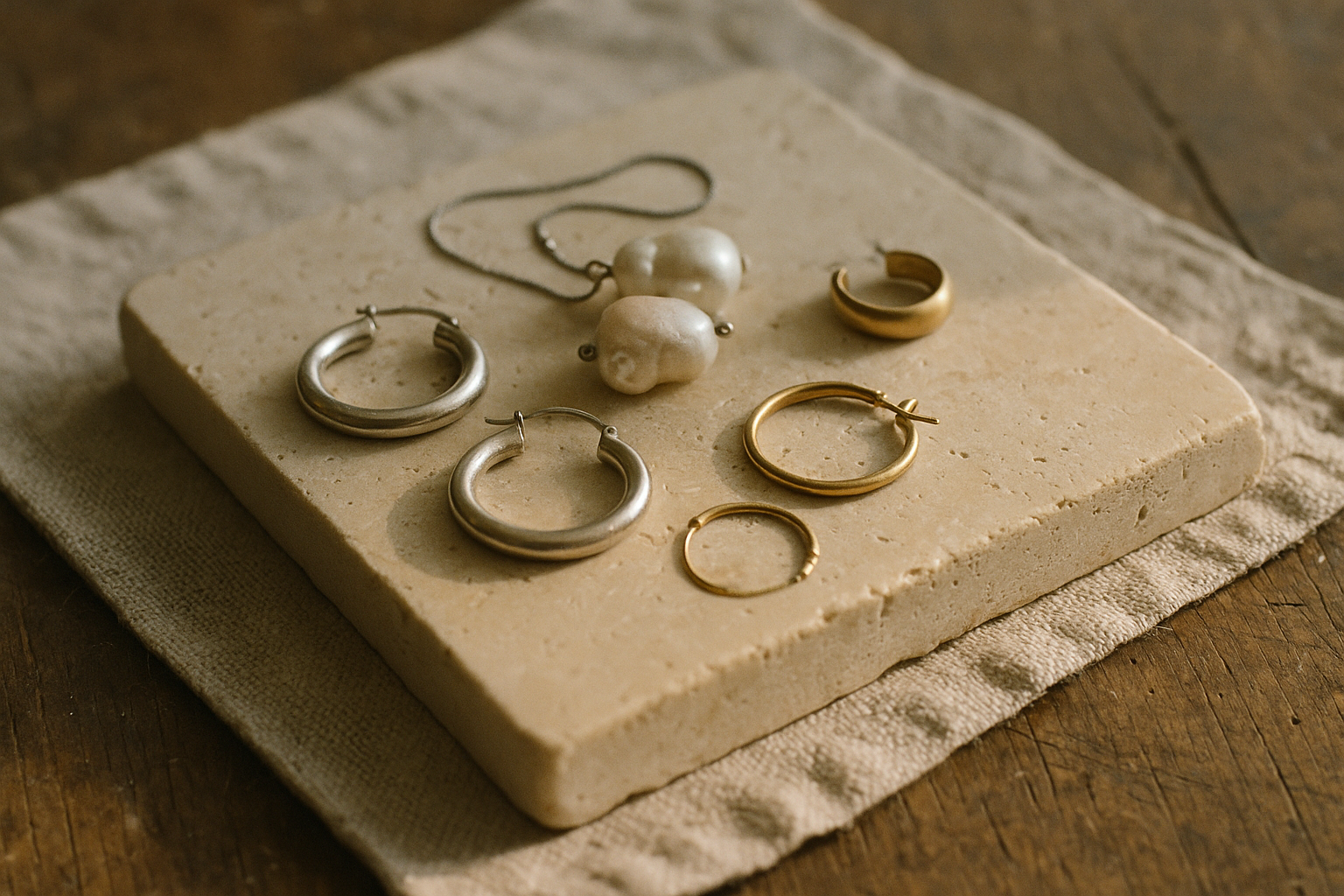
An overview of designer clothes people are choosing this season, focusing on trends, fabrics, and styling ideas.
Here’s how these currents move into daily life:
– Pair a softly structured blazer with wide-leg trousers and a low-profile loafer for meetings.
– Choose a maxi slip with a fine-gauge cardigan for dinners where the dress code is “effortless.”
– Use a mineral base (moss, slate) and punctuate with one bright accent—like citron—in a scarf or bag.
The overall effect is modern restraint: pieces that register as current while promising repeat wear across months, not moments.
Popular Luxury Clothing Styles: Silhouettes and Pieces People Reach For
Some items rise to the top because they solve real wardrobe problems. Relaxed suiting is one—co-ords in breathable wool blends or crepe glide from office to after-hours without feeling fussy. Longline trenches and tailored topcoats earn their place thanks to season-spanning utility. Sculpted knit dresses provide shape without rigidity, and premium denim with a clean, straight leg trims the outfit back to essentials. Each of these categories reflects a preference for clarity in design: fewer seams, thoughtful proportions, and textures that elevate rather than overwhelm.
Consider the following silhouettes showing momentum:
– The draped blazer: longer in body, slightly nipped at the waist, unpadded or minimally padded.
– The column dress: cut on the bias or gently A-line, supportive but not clingy.
– The tailored topcoat: shoulder clarity with a soft roll; hem hitting mid-calf for drama and warmth.
– The straight-leg jean: mid to high rise, with just enough structure to hold a crease if needed.
These pieces fit a pattern of refined understatement. They photograph well, travel well, and pair easily with both sneakers and sleek boots—supporting the day-to-night shift many people need.
Why these styles resonate now:
– They compress decision-making; a great coat or blazer anchors an outfit in seconds.
– They manage climate variability; light layering under a structured shell adapts to fluctuating temperatures.
– They reflect value; cost-per-wear improves when a garment works across contexts.
Market commentary from luxury retailers points to consistent reorder activity in these core categories, signaling durable demand over trend-chasing. For the wearer, that translates into clothing that meets long-term expectations: stable silhouettes, sensory comfort, and credible polish.
Fabric Focus: Texture, Responsibility, and Comfort
Fabrics are where luxury earns its keep this season. Responsible wool with a touch of stretch supports clean lines while remaining wearable for long days. Silk—especially heavier satin and twill—delivers sheen without fragility, and silk-cotton blends curb wrinkling. Linen evolves via tighter weaves and cotton-linen hybrids that temper creasing yet keep the breezy charm. Recycled cashmere and fine merino knits offer coziness with traceable sourcing, while emerging bio-based leathers and plant-dyed cottons signal progress for shoppers who weigh impact alongside aesthetics.
Handfeel matters. Brushed finishes, subtle slubs, and lightly felted textures look rich under natural light, lending depth to simple shapes. Horn-style buttons, pick-stitching, and clean binding at seams quietly announce craftsmanship. Beyond touch, maintenance is key: many mills are producing yarns engineered to pill less and resist seam stress, extending longevity. Consumer surveys over the past year suggest that a majority now read care labels and fabrication notes before purchase, indicating a shift from impulse to intentional buying.
An overview of designer clothes people are choosing this season, focusing on trends, fabrics, and styling ideas.
Match fabric to purpose:
– Office layers: tropical wool, crepe, and stretch-cotton for ventilation and structure.
– Travel kits: wrinkle-resistant twill, ponte, and compact knits that rebound after packing.
– Warmth without bulk: lambswool, recycled-cashmere blends, and lightly quilted liners.
– Summer-ready polish: tighter-weave linen, silk-linen blends, and mercerized cotton.
Choosing well-made materials cuts clutter and elevates even the simplest look. When a column dress in silk twill hangs just right or a blazer in airy wool holds its shape, the silhouette feels intentional—less about trend-chasing, more about daily excellence.
Styling Ideas That Work: From Desk to Dinner and Weekends Away
Translating refined pieces into real outfits hinges on proportion and texture. Start with one “structure” item and one “flow” item—say, a tailored coat over a fluid dress or a crisp shirt tucked into soft, wide trousers. Then add a texture lift: a ribbed knit, pebbled leather shoes, or a brushed scarf. Color strategy also helps; consider a grounded base (charcoal, ink, or olive) and introduce a single accent like rust or cloud blue. This keeps outfits coherent across settings and photos, without feeling uniform.
Practical swaps to shift context:
– Swap a loafer for a lean ankle boot to sharpen a daytime suit for evening.
– Replace a tote with a compact structured bag to reset proportions after work.
– Trade a fine-gauge cardigan for a longline coat when the temperature drops or plans elevate.
– Roll a sleeve or open a top button to relax tension around the neckline.
Micro-adjustments like these change posture and presence, proving that styling is as much about subtraction as addition.
Weekend formulas prioritize mobility. A straight jean with a half-tucked shirt and a cropped jacket creates clarity without fuss; add a textured belt for punctuation. For short trips, pack within a tight palette—three tops, two bottoms, one coat—so every piece speaks to the others. Evening strategy centers on gleam and shadow: matte dress, subtle sheen in the shoe, brushed metal at the wrist or ear. The goal is to build a vocabulary you can repeat, rearrange, and refine—an approach that helps clothes earn their keep and invites creativity rather than anxiety.
Everyday Designer Outfit Inspiration: Build a Capsule That Actually Works
Capsules succeed when they express a clear mood and respect your routines. Begin by choosing a palette anchored in two darks, one mid-tone, and one light—perhaps ink, espresso, clay, and ecru—plus a single seasonal accent. Next, select silhouettes that harmonize: a draped blazer, a tailored topcoat, a column dress, wide-leg trousers, straight-leg denim, a fluid skirt, two fine-gauge knits, a crisp shirt, and a soft tee. With footwear, aim for one streamlined sneaker, one low-profile loafer, and one refined boot; keep hardware minimal so pieces mix seamlessly.
Daily outfit ideas from this set:
– Monday: draped blazer, straight denim, fine-gauge knit, low-profile loafer.
– Tuesday: column dress, topcoat, subtle belt, refined boot.
– Wednesday: crisp shirt, wide-leg trousers, soft tee layered beneath, sneaker.
– Thursday: fluid skirt, knit, cropped jacket substitute if needed, loafer.
– Friday dinner: knit under blazer, denim, compact bag, ankle boot.
This rotation uses proportion shifts—volume on bottom, trim on top; or reversed—to stay fresh without extra shopping.
An overview of designer clothes people are choosing this season, focusing on trends, fabrics, and styling ideas.
To keep momentum, audit quarterly. Retire what no longer serves the palette or silhouette plan, then fill genuine gaps—a weatherproof layer, a dressier knit, or travel-ready pants. Track cost-per-wear to keep choices grounded. If a piece feels precious, style it twice a week until it becomes familiar. Over time, your capsule will feel like a well-edited playlist: recognizable hits, a few new releases, and consistent rhythm. That consistency is what turns getting dressed into a quick, satisfying part of the day rather than a puzzle that steals your morning.