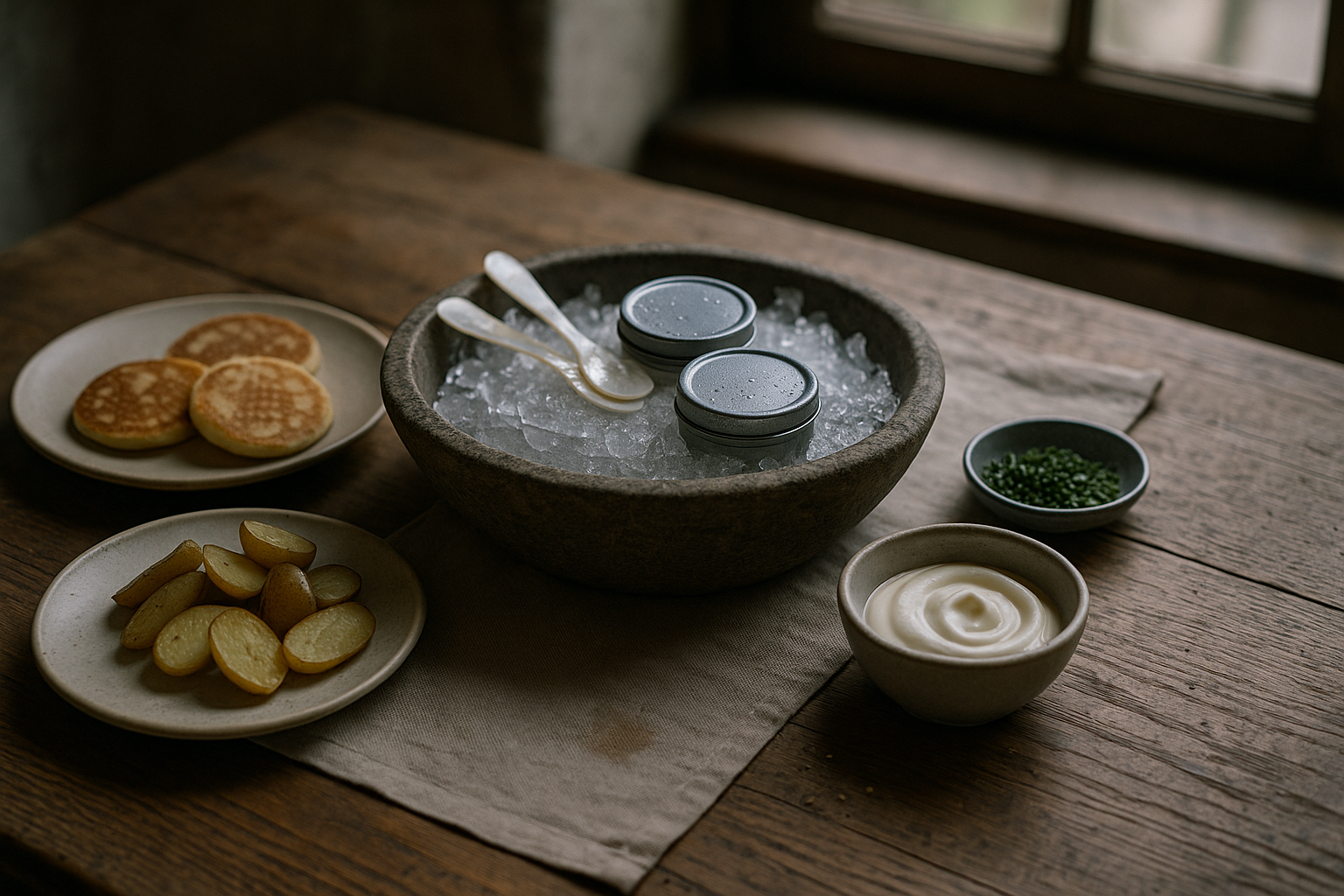
Learn More About Finger Foods That Might Wow Your Guests
Outline
– Why finger foods fit modern hosting and encourage natural conversation flow
– A timeline and prep plan that reduces stress from shopping to serving
– Flavor architecture, menu balance, and modular bite templates
– Presentation, plating, portioning, and service logistics
– Dietary needs, budget strategies, troubleshooting, and a concise game plan
Why Finger Foods Make Hosting Flow
Finger foods are tiny social engines. When bites are easy to pick up and eat in two or three nibbles, guests move, mingle, and return to the table without disrupting conversations. That movement reduces bottlenecks around a single serving point and keeps the host free from constant plating. A common rule in catering is to budget about 8–12 pieces per guest for a two-hour gathering and 12–16 if finger foods stand in for dinner. These numbers aren’t rigid; they simply help you avoid the all-too-common shortage that sends hosts scrambling to the pantry mid-party. With a smart mix of savory, fresh, and slightly sweet, finger foods create a rhythm that feels abundant without demanding a formal sit-down.
Beyond social flow, finger foods reduce the need for utensils and heavy cleanup. A few napkin stations and a slim stack of small plates often suffice. – Guests eat at their own pace, which helps those who arrive late or step out to take a call. – Kids and adults can share the same table, with gentler flavors on one platter and bolder options on another. – Hosts can stagger out the trays, refreshing every 20–30 minutes to maintain visual appeal and prevent crowding. This staggered approach also improves food safety by keeping fewer items at room temperature at once, especially for dairy, seafood, or meat.
There’s also a psychological advantage. Small bites make novelty feel safe; guests are more willing to try something new when the commitment is a single bite. A crunchy shell with a creamy interior, a bright herb note against something rich—these contrasts satisfy quickly and spark conversation. Meanwhile, your role shifts from short-order cook to curator. Prep a few items in advance, hold hot options safely until service, and concentrate on surface details that affect experience—crispness, temperature, and a clean hand-off. In short, finger foods are a practical path to a relaxed host and contented guests.
Planning and Prep Timeline for Stress-Free Appetizers
A calm party starts days before the first guest knocks. Begin with a running list organized by make-ahead potential, day-of tasks, and last-minute garnishes. – Two to three days out: shop for pantry staples, cheeses, cured items, and produce with longer shelf life. – One day out: chop vegetables, blend dips, bake crackers, marinate proteins, and label containers clearly. – Morning of: assemble cold platters, portion sauces, and set up your service area with boards, tongs, and napkins. – An hour before: heat hot items, set cold pieces on ice trays, and walk the space to check flow. Breaking the work into chunks means you spend the party topping off platters rather than stuck at the stove.
Quantity planning spares you anxiety. For mixed-age groups, plan 8–12 bites per person for two hours, closer to 14–16 if there’s no other food. Offer a balance: roughly 50–60% savory, 25–30% fresh and crunchy (raw vegetables, fruit, simple salads in endive cups), and 10–20% slightly sweet. Keep a reserve tray in the fridge so you can swap instead of refill—this ensures the displayed food always looks crisp, not picked over. Build a service kit: extra towels, a trash bowl for quick cleanups, and a thermometer to confirm temperatures.
Food safety protects your momentum. Keep cold foods at or below 4°C/40°F using shallow pans set over ice, and hold hot items at or above 60°C/140°F in an oven on low or an insulated warmer. Reheat cooked proteins to 74°C/165°F before serving, and follow the two-hour rule for perishable items left at room temperature. Replace smaller batches more often rather than parking one massive platter for the entire evening. Pair these habits with mindful staging: position hot bites near a standing table so guests can rest a plate briefly, and place drippier items close to napkins. With a little choreography, service becomes a smooth loop rather than a scramble.
Flavor Pairings and Modular Menu Building
Great finger foods are built on balance: salty against sweet, creamy against crisp, rich against bright. Think in templates so you can swap ingredients based on season or budget. A few reliable frameworks: – Crunchy base + creamy element + acid pop (e.g., crisp toast + herbed yogurt + quick-pickled onions). – Juicy fruit + salty cheese + herbal finish (e.g., melon + a crumbly cheese + mint). – Roasted vegetable + nutty spread + citrus zest. These modular ideas let you scale up without repeating the same flavor profile, even if the components are similar. The goal is a plate that looks varied and tastes layered, not a table of look-alikes.
Seasonality pays off. Spring sings with peas, radishes, and tender herbs; summer favors tomatoes, stone fruit, and charred corn; autumn brings squash, mushrooms, and sage; winter leans on roots, citrus, and hardy greens. Spice blends carry a lot of weight in small bites—smoked paprika for warmth, cumin for depth, za’atar for tangy crunch, and chili flakes for a gentle spark. – For heat-sensitive guests, serve a mild base with an optional spicy drizzle on the side. – For dairy-free needs, lean on bean purées, tahini, or avocado for creaminess. – For gluten-free service, anchor with potatoes, lettuce cups, or polenta squares rather than bread.
An overview of finger food ideas commonly discussed for hosting guests, including flavours, presentation tips, and simple serving concepts. To keep variety high, target 6–8 distinct items for a medium crowd, ensuring each brings a different texture or temperature. Contrast is your secret sauce: a chilled cucumber cup makes a hot, savory fritter taste even more satisfying; a bright citrus segment resets the palate after something smoky. Begin plating with color arcs—cluster two warm tones next to a cool green, and dot with herbs for lift. Offer at least one nostalgic bite (a familiar savory roll or a mini pie) alongside modern flavors so every guest finds comfort and discovery on the same tray.
Presentation, Plating, and Service Tactics
Showcasing finger foods is part art, part traffic control. Choose a few large platters instead of many small ones to reduce clutter, and elevate one or two trays on sturdy boards or inverted bowls to create levels. – A 30 cm/12 in platter holds roughly 24–30 two-bite items with enough space to avoid crowding. – Arrange in loose lines or arcs to guide the eye; a spiral often looks dynamic while staying practical for refills. – Place sauces in wide, shallow ramekins so multiple guests can dip without jams. Use neutral linens to let the food’s natural colors pop, and scatter micro-herbs or citrus zest for a quick lift that reads intentional without feeling fussy.
Think about pickups and drips. Bites that crumble should be nestled in small lettuce leaves or on spoons; saucier pieces benefit from a base that absorbs a bit, like polenta, rice cakes, or thick-cut cucumbers. – Provide tongs for sticky items and skewers where a clean grab helps. – Give each platter its own small serving utensil to prevent flavor crossovers. – Place napkins in at least two zones so guests don’t crowd one corner. Consider lighting: if the party is daytime, park food near natural light for a subtle glow; in the evening, ensure pathways to food are clear and safe.
Labeling is hospitality, not just information. Even simple tags like “contains nuts” or “vegan” let guests make quick choices and reduce repeated questions. If you’re pairing beverages, keep it flexible: crisp, chilled options flatter salty or fried bites, and a citrusy spritz cuts through creamy spreads. Non-alcoholic choices deserve equal placement; a sparkling water with a citrus wheel looks celebratory. Rotate platters every 20–30 minutes, swapping in a fresh one while the first goes back to the kitchen for a quick tidy. Most importantly, protect texture—keep hot trays warm and cold dishes genuinely cold, or you’ll sacrifice the crunch and snap that make small bites so appealing.
Dietary Needs, Budget Savvy, and Troubleshooting
Thoughtful hosts plan for varied diets without turning the menu into a maze. Include at least one option for common needs: – Vegetarian and vegan: roasted vegetable skewers with tahini, stuffed mushrooms, or bean-and-herb bites. – Gluten-free: lettuce or endive cups, potato rounds with toppings, or rice-based cakes. – Nut-free: seeds and toasted breadcrumbs deliver crunch without risk. Use separate tongs and distinct platters to reduce cross-contact, and place allergy-friendly trays at the front so they aren’t grazed after other items. A small “key” card near the spread helps guests self-navigate while you circulate.
Budget stretches with smart template swaps and seasonal produce. A tray anchored by beans, grains, and root vegetables can be remarkably satisfying and affordable. Aim for a range of cost-per-bite: some premium, many moderate, and a few ultra-simple stunners. – Roast a large batch of carrots, blitz half into a dip, and slice the rest for topping with citrus and herbs. – Use whole heads of cabbage or cauliflower as carving stations for warm, seasoned wedges. – Choose one or two pricier proteins, then amplify with marinated vegetables and toasted bread. Plan roughly 250–400 g of total food per guest for a bite-centric event; lean higher if it doubles as dinner.
Mistakes happen, and most are fixable. If a fried bite softens, re-crisp briefly in a hot oven and serve with a bright garnish to revive contrast. If a dip is flat, salt and acid (a squeeze of lemon or a vinegar splash) fix 80% of issues; if it’s too salty, fold in mashed beans or unsalted yogurt. If platters look sparse, cluster items rather than spreading thin, and tuck in hearty greens or sliced citrus to fill negative space. Create a quiet staging zone for fast swaps and keep an extra roll of paper towels at arm’s reach for quick resets. You’re aiming for relaxed abundance, not perfection.
Conclusion: A Confident Host’s Shortcut
Keep your canvas simple: a few make-ahead bites, a couple of warm trays, and a fresh, crunchy anchor. Balance textures, label clearly, and refresh in small waves. With a steady rhythm and thoughtful contrasts, your spread becomes an effortless invitation to mingle—and you get to enjoy the party you planned.