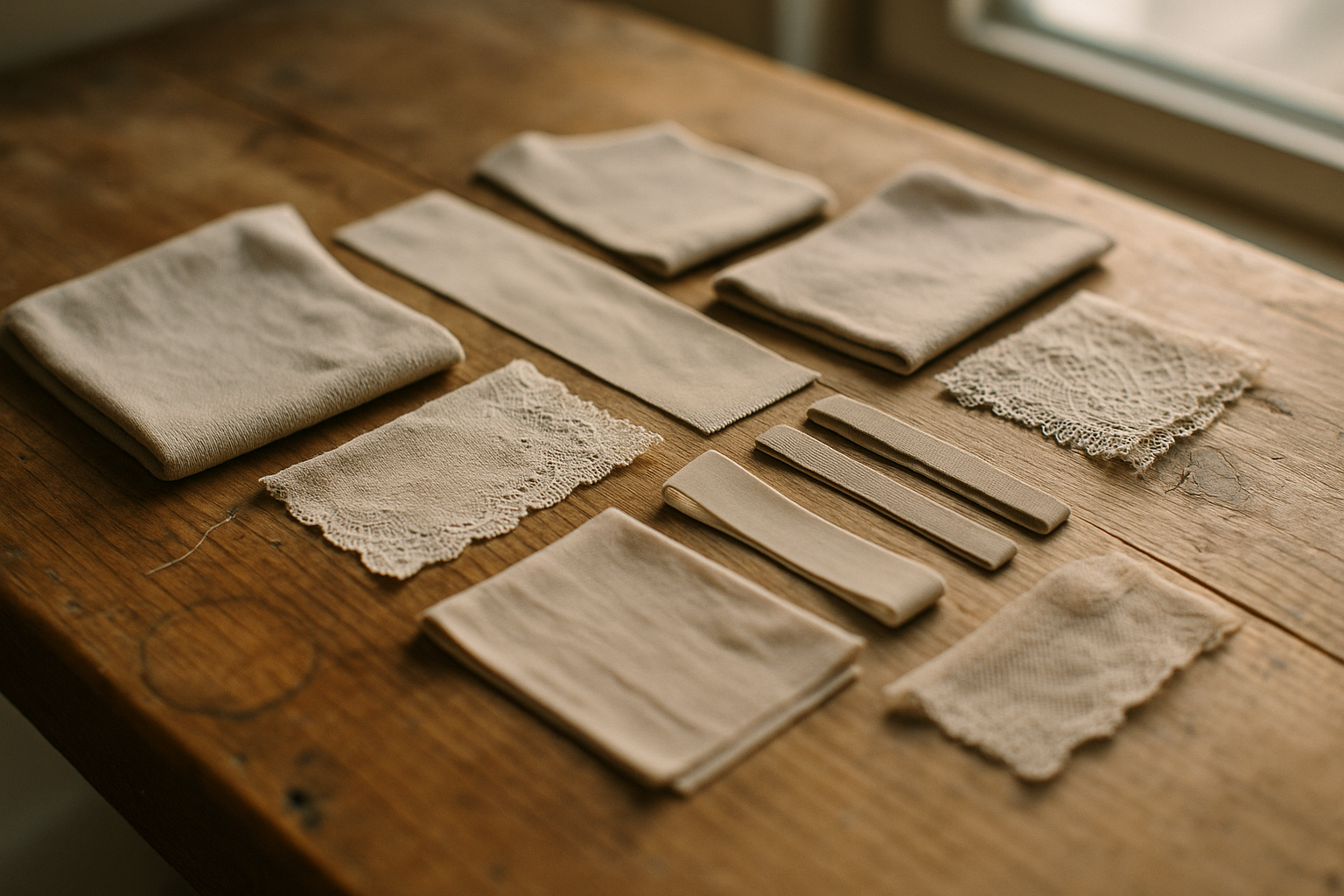
These Are the Panties People Are Choosing This Season
Outline and Why This Matters Now
Underwear may be the quietest part of your outfit, but it steers how everything else looks and feels. The right pair supports movement, temperature, and confidence; the wrong one distracts you from your day. This season’s underwear trends lean into comfort-first design, breathable fibers, and silhouettes that pair cleanly with modern wardrobes—from wide-leg trousers to body-skimming knits. To make sense of the options, here’s a brief roadmap followed by in-depth guidance you can use immediately.
– Seasonal trend map: colors, patterns, and the rise heights showing up in stores and lookbooks.
– Fabric science: cotton, modal, bamboo-derived viscose, microfiber, recycled synthetics, and elastane blends—plus what each brings to the table.
– Style-by-style breakdown: brief, bikini, hipster, high-waist, cheeky, thong, boyshort, seamless, and period-friendly options.
– Everyday comfort toolkit: seams, waistbands, gussets, moisture control, and the fit markers that matter.
– Care, longevity, and smart shopping: washing, storage, budgeting, and replacing pairs on time.
Why it matters now: hybrid work and social schedules mean we move through more contexts in a single day—commutes, desks, gym classes, dinners—so underwear has to be adaptable. Fabric innovation has also accelerated: lighter knits and improved elastane content offer freedom without sagging, while recycled yarns address environmental goals many shoppers care about. If you’ve ever wrestled with rolling waistbands, digging leg elastic, or visible lines under polished trousers, updating your drawer will return comfort and polish with every wear. In the sections below, you’ll find practical tests, quick comparisons, and fit checks that keep you from guessing in the aisle.
Underwear Trends This Season: Fabrics, Fits, and Finishes
An overview of panties people are choosing this season, focusing on fabric choices, fit, and everyday wear.
This season highlights three big currents: breathable natural fibers, second-skin seamless constructions, and steady interest in higher rises that smooth the waist without squeezing. Cotton remains a staple thanks to airflow and easy care, but it’s often blended with a small percentage of elastane for recovery and shape retention. Modal and bamboo-derived viscose have gained traction for their cool hand-feel and drape, especially in warmer climates or for those who run hot. On the performance end, fine-gauge microfiber offers an ultra-smooth surface that disappears under tailored skirts and close-fit knits.
Fit trends skew toward mid to high rises that sit at or just below the navel, paired with higher-cut legs to visually lengthen and reduce edge pressure. Bonded or laser-cut edges show up widely to minimize lines; where seams remain, flatlock stitching is preferred to prevent ridges. Waistbands are soft-touch and brushed, sometimes encased, to prevent rolling; wider bands distribute pressure gently and stay put during long days.
Color and pattern stories lean neutral and practical—graphite, espresso, sand, shell pink—intermixed with muted seasonal shades like olive or slate blue. Small-scale motifs, tonal ribbing, and micro-lace textures add interest while staying smooth under clothing. Sustainability keeps shaping assortments: more labels are using organically grown cotton, recycled nylon, and traceable supply chains. While figures vary by retailer, market analyses consistently note that comfort-led intimates outpace purely decorative lines, reflecting a shopper who values longevity and function.
To choose among these currents, think climate and clothing. Live somewhere humid? Prioritize breathable knits with cotton-lined gussets and quick-dry blends for active days. Dressing in soft, drapey fabrics? Seek bonded edges and smooth microfibers to vanish lines. For cooler weather, slightly heavier rib knits add warmth and stay cozy under tights. Trends may beckon, but the winning pair is the one that meets your daily routine without announcing itself.
Popular Panty Styles, Demystified
With silhouettes multiplying, it helps to look at what each style actually does on the body and in the wardrobe. Briefs deliver secure coverage and polish under high-waist trousers or A-line skirts; modern takes feature higher leg cuts and soft bands that avoid bulk. Bikinis strike a balance between coverage and flexibility, pairing easily with mid-rise denim. Hipsters sit lower on the waist, hugging the hips to stay flat under casual shorts and joggers. High-waist cuts offer gentle midsection smoothing without structured panels; when paired with a softly brushed waistband, they feel supportive yet unrestrictive across a long day.
Thongs are chosen for minimal lines under clingy fabrics; comfort hinges on soft edges, stretch that moves with you, and a gusset that’s wide enough to feel anchored. Cheeky styles create a curved, playful edge that often reads smoother than full coverage under light dresses. Boyshorts provide a short-like silhouette that can reduce inner-thigh friction; look for leg openings that stretch without riding up. Seamless cuts—whether bikini, thong, or cheeky—use bonded edges or very fine hems to fade beneath knits.
Period-friendly underwear merits mention for practicality: layered gussets and absorbent panels now come in familiar silhouettes so you can build a consistent drawer. For those preferring liners or reusable pads, consider breathable cotton or modal bases that hold inserts comfortably.
Quick pairing notes you can apply instantly:
– Tailored pencil skirts or slip dresses: microfibre bikini or thong with bonded edges.
– High-waist trousers: brief or high-waist with softly supportive band and higher leg to avoid cut-ins.
– Gym days: moisture-wicking microfiber or lightweight modal blends with flat seams.
– Lounge and sleep: ribbed cotton boyshorts or hipsters for gentle hold without hot spots.
Across styles, the trick is harmony between fabric and cut. A thong in stiff fabric will feel restrictive; a boyshort without recovery will bag out. Starting with your most-worn outerwear and working backward to the silhouette avoids guesswork—and returns a drawer where each piece has a job.
Everyday Comfort: Fit Markers, Fabric Science, and Breathability
Comfort is measurable if you know what to look for. Begin with the waistband: it should lie flat without creating a ridge you can see through a T-shirt. Brushed or encased bands reduce friction; wider bands spread pressure and resist rolling. At the leg opening, stretch should be even, with no sharp “bite” where elastic narrows. The gusset—the panel at the base—should be soft, absorbent, and wide enough to sit centered as you move. A cotton-lined gusset remains a reliable choice because it balances breathability with everyday hygiene.
Fabric science plays a starring role in all-day wear. Cotton shines for airflow and low static; modal and bamboo-derived viscose offer a cool, silky feel that resists clinging. Microfiber blends excel under fitted clothes thanks to their fine denier and smooth surface. Most underwear includes a touch of elastane (often 5–10%) to recover after sitting, walking, or stretching. That small amount can be the difference between a pair that sags by lunch and one that still feels freshly put on.
Seam construction matters more than many realize. Bonded edges are nearly invisible but can feel warm in peak summer; flatlock seams are slightly more visible but breathe better and resist snapping over time. If you’re sensitive to texture, run a fingertip along the seam: you should feel a smooth join, not a lip. For mobility, hold the fabric and gently pull in opposing directions; it should rebound without white stress lines—an indicator of over-extended fibers.
Try this comfort checklist before you commit:
– Sit, stand, and do three walking laps: does the pair stay in place?
– Bend and reach overhead: does the waistband roll or pinch?
– Check a mirror in daylight: any visible lines through light fabrics?
– Pinch test: gently tug the leg opening; it should return without creasing your skin.
– Breathability cue: after a minute against the skin, the fabric should not feel damp or plasticky.
Finally, consider climate and activity. Hot, humid settings reward lighter knits and moisture-dispersing blends; colder seasons suit ribbed cotton or slightly heavier modal. For desk-to-dinner days, prioritize softness and forgiving edges over ultra-sculpting features, which can fatigue the skin. When comfort is designed into fabric, fit, and finish, your underwear simply disappears into your day—the truest compliment it can earn.
Care, Longevity, and Smart Shopping Strategies
Great underwear lasts longer—and stays comfortable—when you care for it thoughtfully. Wash in cool water on a gentle cycle, ideally in a mesh bag to prevent tangling and snags. Choose mild detergents and skip fabric softeners; softeners can coat fibers, reducing moisture management and elastic recovery. Dry flat or hang; high heat degrades elastane and can warp bonded edges. For lace or ultra-light microfiber, a quick hand wash followed by a towel press preserves shape and texture.
Rotation and replacement are simple math. The higher the wear frequency, the quicker fibers lose rebound. Many people find a 12–18 pair core works well for weekly rotations, with specialty silhouettes (seamless for knits, sport pairs, period-friendly options) added as needed. Inspect quarterly: look for thinning at the gusset, slack leg openings, or waistbands that twist. When you notice frequent readjusting during the day, it’s time to retire the pair.
Buying smart starts with measuring: use a soft tape at the fullest hip and natural waist, and check each brand’s chart—sizes vary widely. Prioritize return-friendly retailers when trying a new silhouette. Think in outfits: map your most-worn pants and dresses, then assign two or three silhouettes that match. Build a palette of neutrals close to your skin tone plus a few deeper shades to avoid show-through under light fabrics. If sustainability is a goal, look for organically grown cotton, recycled synthetics, and transparent sourcing notes; durable construction is the most eco-minded feature of all because it extends wear life.
Quick shopping list to keep you covered without clutter:
– 4–6 everyday pairs in breathable cotton or modal blends.
– 2–4 seamless microfibre pairs for fitted outfits.
– 2 high-waist options for smoothing under high-rise clothes.
– 1–2 boyshort or hipster pairs for lounge or chafe-prone days.
– Period-friendly or athletic pairs tailored to your routine.
Conclusion: Build a Drawer That Works Every Day
Your underwear should serve your schedule, your climate, and your clothes—not the other way around. With a clear sense of fabric behavior, fit markers, and silhouette roles, you can assemble a compact, hard-working drawer that supports comfort and polish from morning coffee to evening plans. Trends are useful signposts, but the winning pick is the pair that disappears into your day and quietly boosts how every outfit sits and moves.