2026 Recipes That Might Wow Your Guests
Outline and Why 2026 Kitchen Trends Matter
Hosting in 2026 is less about perfection and more about generosity, sustainability, and ease. Diners want bright flavors, photogenic plates, and menus that welcome different dietary needs without turning the kitchen into a stress test. Economic pressures and climate concerns continue to shape how we shop and cook, pushing home cooks toward versatile staples, seasonal produce, and techniques that deliver reliable results with minimal waste. In other words, the new vibe is thoughtful abundance: enough choices to make everyone feel included, without forcing the host to juggle five separate meals.
An overview of recipe ideas commonly discussed for 2026, covering flavour trends, presentation styles, and dishes people prepare for guests.
Here is the roadmap you’ll follow, so you can skim and then dive into the parts that matter most for your next gathering:
– Flavor signals for 2026 and how to combine them into guest-friendly menus.
– Presentation styles that read as modern while remaining practical for a busy evening.
– Dishes and systems designed for variety, make-ahead convenience, and diet flexibility.
– Techniques and tools that shorten cook times or add finesse without complexity.
– A simple plan that ties everything together so your table feels warm and memorable.
Why this matters: a host today is a curator. You’re assembling contrasts—crunch and cream, sour and sweet, hot and cool—while coordinating timing and conversation. The guidance in this article aims to reduce guesswork. You’ll find menu frameworks, seasoning maps, and realistic tips that fit into real schedules. Think of it as a set of modular building blocks that you can scale up for a celebration or down for a Tuesday supper with a couple of friends. We’ll also point to low-waste ideas, because trimming scraps and repurposing leftovers isn’t just good ethics—it’s good flavor and budget sense.
Flavour Trends of 2026: Bold, Bright, and Comforting
The flavor profile of 2026 blends vibrant freshness with cozy depth. Expect sweet-sour brightness from citrus peel, tamarind, and verjus; gentle heat from smoky chiles; and deep umami from mushrooms, miso, and slow-roasted alliums. Plant-forward isn’t a headline anymore—it’s the baseline. Legumes, sea vegetables, heritage grains, and nut-based sauces are increasingly routine, and they shine when paired with high-acid pickles or herb-driven oils. Meanwhile, nostalgic desserts move toward lighter sweetness and layered aromas—think olive oil cakes with citrus zest and thyme syrup instead of heavy icing.
On the savory side, cooks are balancing punchy condiments with clean, simple mains. A pan-roasted fish or tofu, for instance, becomes special with a spoon of fermented pepper relish or a citrus-chile butter. For bigger dinners, slow-cooked items—braised greens, spiced lentils, and silky beans—anchor the table, while crisp elements offer contrast. Data from trade and grocery reports through 2024 pointed to steady growth in pulses and low-alcohol pairings, a trend that translates into menus where hearty textures share space with lighter sips and sours. In short, bold doesn’t have to mean heavy.
Practical combinations to try:
– Charred brassicas with lemon-tahini and crunchy seeds alongside herb-scented couscous.
– Crispy chickpea panisse with tomato-chile jam and a bright salad of shaved fennel and oranges.
– Roast chicken thighs or marinated tofu with black-lime gremolata, buttered farro, and quick-pickled cucumbers.
– Olive oil semolina cake with macerated berries and mint sugar, served with a dollop of yogurt or coconut cream.
To make these ideas guest-friendly, plan contrasts on every plate: one creamy element, one crunchy element, one bright element, and one deeper savory note. A simple “four-corners” approach keeps the palate engaged and lets you swap components if someone arrives with a surprise dietary request. Keep a small roster of finishing touches—citrus segments, toasted nuts, herb oils, and flavored vinegars—ready in the fridge. These tiny upgrades are low effort but go a long way toward a 2026 flavor signature: vibrant, layered, and welcoming.
Presentation Styles Guests Notice in 2026
Visual style in 2026 favors relaxed precision: plates that look cared for, not choreographed to a fault. The trend leans toward color-blocked compositions, asymmetry with intention, and natural textures. Rough-glazed ceramics, hand-worn wooden boards, and linen with a bit of crinkle set the stage. Garnishes are less about micro-tweezers and more about seasonal leaves, toasted seeds, and quick-pickled ribbons. The goal is to let ingredients stay recognizable while still offering pops of contrast and height that keep the eye moving.
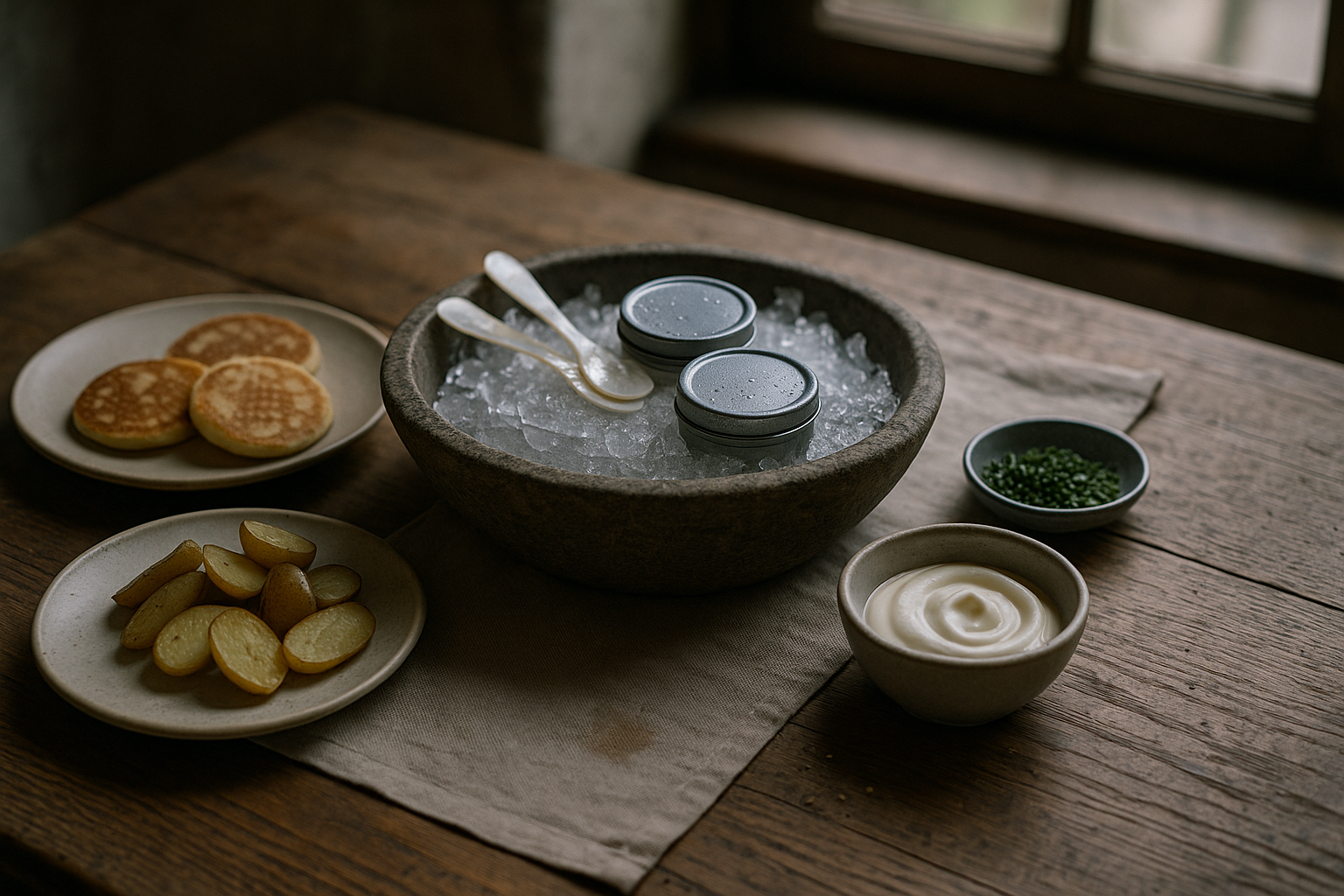
Think of your plate as a landscape. Anchor with a main element at five o’clock or slightly off-center; add height with a tangle of dressed herbs; then pull a line of sauce or a crescent of crumbs for movement. Sauces often appear as small pools or brushed smears, not full pours—enough to invite dipping without drowning textures. Shared platters are still popular but have evolved into modular sets: a central dish with small bowls of heat, acid, crunch, and cream surrounding it, so each guest can customize without the whole table reaching for the same jar.
Simple presentation moves to practice:
– Color contrast: pair a charred green vegetable with a golden grain and a ruby pickle.
– Texture contrast: crisp seeds on something silky; a chilled salad next to a warm roast.
– Height and flow: a small leafy tuft adds lift; crumbs or citrus zest create motion.
Waste awareness is another quiet hallmark of 2026 plating. A broccoli stem becomes matchsticks in a slaw; herb stems are blitzed into oil; citrus peels are candied or zested over dessert. These upcycling choices read as both beautiful and responsible. For timing, assemble room-temperature elements first, then add hot items at the last moment so steam doesn’t wilt greens. Keep an absorbent cloth at hand for quick dabs—natural-looking plates still benefit from tidy rims. The result is a table that feels alive, abundant, and photogenic without being fussy.
Guest-Friendly Dishes and Hosting Systems
The smoothest 2026 dinner parties run on modular menus. Instead of one fixed plate for all, you build a flexible base with optional toppings and sides, so guests can personalize without spotlighting dietary differences. This approach also scales easily, limits last-minute cooking, and helps you maintain calm when plans shift. Start with a starch or vegetable anchor, offer two proteins (one plant-based), and round it out with punchy condiments, bright salads, and a simple dessert that can hold at room temperature.
Menu frameworks that work:
– Build-a-bowl: lemony grains or polenta, a roasted vegetable mix, a choice of spiced beans or roasted fish, plus a trio of toppings like herb oil, toasted seeds, and quick pickles.
– Sheet-pan supper: roasted chicken thighs or crispy tofu with carrots and onions, served with chimichurri, yogurt sauce, and a tangy slaw.
– Hearty salad spread: marinated lentils, wedges of roasted squash, soft greens, citrus segments, nuts, and a mustardy vinaigrette, with warm bread on the side.
– Soup-and-sides: a pureed vegetable soup with texture boosters—croutons, olive oil drizzle, grated hard cheese or nut crumble—plus a crisp salad.
To keep service effortless, use a timeline. The day before, cook grains and beans, blend a dressing, and prep pickles. The morning of, roast vegetables, bake a cake, and make a sauce. Before guests arrive, warm the main, dress salads lightly, and set out toppings in small bowls with spoons or tiny tongs. Label components with simple cards if you expect allergies; this avoids repeated explanations and helps everyone relax. Aim for two cooking temperatures maximum—say, a hot oven and a stovetop simmer—so you don’t juggle competing timers.
Accessibility and comfort also matter. Provide a gluten-free starch choice if needed, keep one dish completely dairy-free, and make sure at least one protein is plant-based and satisfying. Offer a nonalcoholic drink with fresh herbs and citrus so all guests feel included in the toast. Keep salt at the table; season well but not aggressively, letting finishing salts and sauces add the final sparkle. With these systems in place, you can welcome latecomers, rescue a dish that runs behind, or add an extra place without breaking stride.
Modern Cooking Ideas and Conclusion: Turning Trends into a Plan
Modern cooking in 2026 is defined by precision where it matters and simplicity everywhere else. Induction searing and oven finishing deliver consistent crusts and juicy centers. Countertop convection helps with quick crisping, reducing oil and speeding up vegetable sides. Gentle sous vide or low-temperature poaching offers insurance for proteins, while pressure cooking makes weeknight beans as tender as an all-day simmer. None of these tools are mandatory; the mindset is what counts: control heat, layer flavor, and respect timing.
A few dependable techniques:
– High-heat sear, low-temp finish: sear a protein or sturdy vegetable, then transfer to a moderate oven to cook through evenly.
– Batch-roast vegetables: fill the oven once, season in two ways after roasting for instant variety.
– Two-minute pickles: thin-slice vegetables, toss with salt, vinegar, and a touch of sugar; let stand while you plate.
– Infused oils and butters: warm oil with herbs and zest, or beat softened butter with spices; both add fast character.
To illustrate how these ideas knit together, here’s a realistic hosting plan for six. Morning: simmer beans in a pressure cooker; blend a citrus-herb oil; bake an olive oil cake. Afternoon: roast a tray of carrots and broccoli stems; cook farro; chill a crunchy slaw with mustard dressing. Pre-service: sear fish or tofu on induction, transfer to the oven; warm beans with garlic; arrange toppings—pickled shallots, toasted almonds, lemon wedges. Service: plate with color contrast and height, pass sauces, and keep a pot of hot water on the stove for quick tea if dessert lingers into conversation.
Conclusion: Hosts in 2026 win with clarity and care. Choose a modular menu, layer bright flavors against comforting textures, and plate with relaxed polish. Make two items ahead, hold one hot, and keep a roster of finishing touches within reach. You’ll serve a table that feels generous and current, yet totally doable on a weeknight. The trends are simply tools; used thoughtfully, they make room for what guests remember most—ease, laughter, and food that tastes like it belongs together.